Introduction :>
As blockchain technology continues to transform finance, digital ownership, and decentralized applications, transparency remains one of its most important features. On the Ethereum network, one of the most widely used tools for exploring blockchain data is Etherscan. Whether you're a cryptocurrency investor, developer, researcher, or simply curious about blockchain transactions, Etherscan provides valuable insights into the Ethereum ecosystem.
What Is Etherscan?
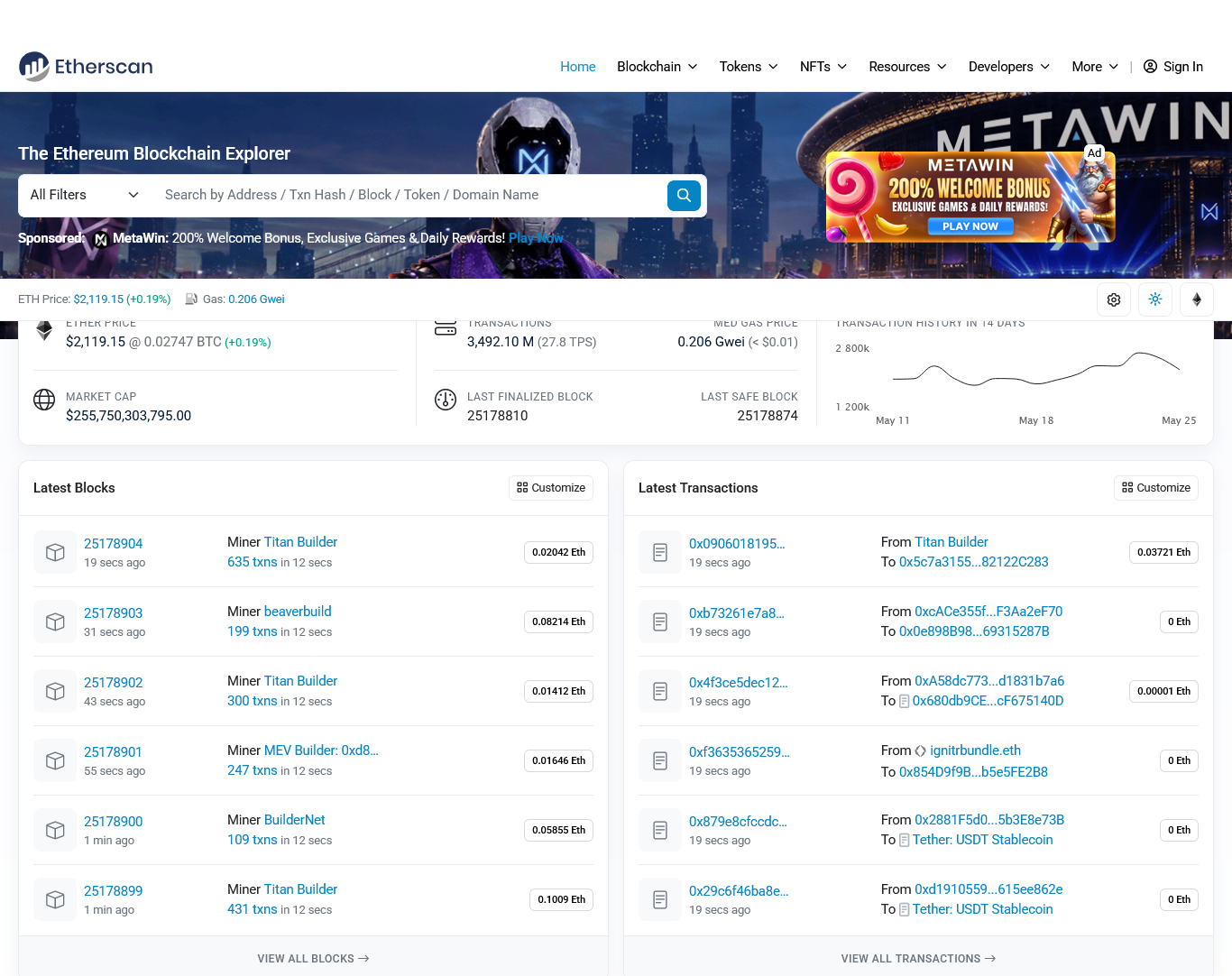
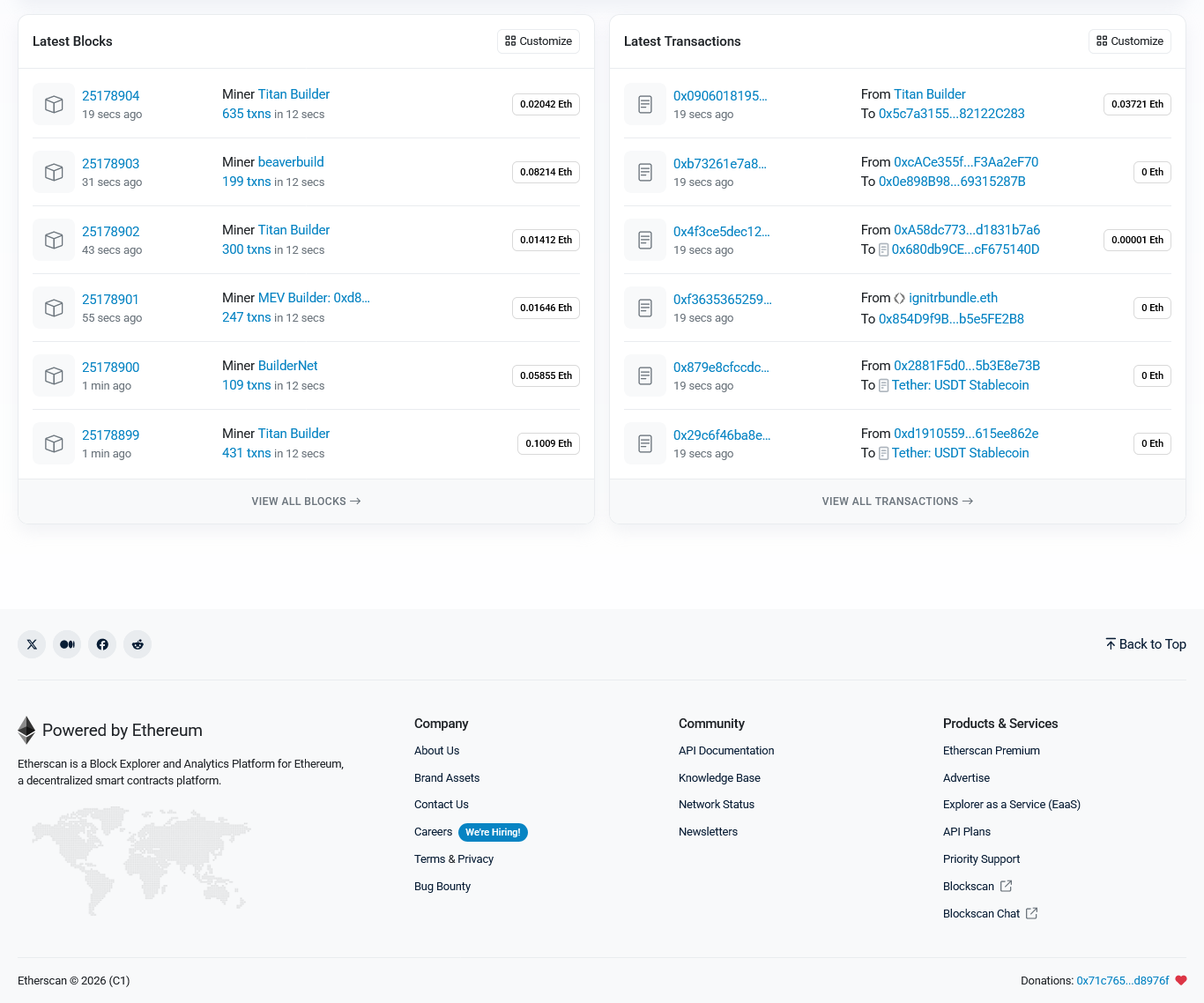
Etherscan is a blockchain explorer and analytics platform designed specifically for the Ethereum network. Launched in 2015, it allows users to search, verify, and monitor transactions, wallet addresses, smart contracts, tokens, and other blockchain activities in real time.
Unlike a cryptocurrency wallet, Etherscan does not store digital assets or private keys. Instead, it serves as a search engine for Ethereum, enabling anyone to access publicly available blockchain data through a user-friendly interface.
Key Features of Etherscan ://
1. Transaction Tracking :/
One of Etherscan's most popular features is transaction tracking. Users can enter a transaction hash (TXID) to view detailed information such as:
:> Sender and receiver addresses :> Amount transferred :> Gas fees paid
:> Transaction status :> Block confirmation details
// This feature helps users verify whether a transaction has been successfully processed on the Ethereum network.
2. Wallet Address Lookup :/
Etherscan enables users to search any Ethereum wallet address and view:
:> Current ETH balance :>Token holdings :>Transaction history :> NFT collections
:> Smart contract interactions.
// This transparency allows users to analyze wallet activity while maintaining pseudonymity.
3. Smart Contract Verification :/
Developers can verify and publish the source code of smart contracts on Etherscan. Verified contracts increase transparency and trust by allowing users to inspect the underlying code before interacting with decentralized applications (dApps).
4. Token Information :/
Etherscan provides detailed information about ERC-20, ERC-721, and ERC-1155 tokens, including:
:> Token supply :> Number of holders :> Transfer history :> Contract details
:> Market-related information.
// This helps investors and researchers evaluate token projects more effectively.
5. Gas Tracker :/
Ethereum transaction fees, known as gas fees, fluctuate based on network demand. Etherscan's Gas Tracker helps users monitor:
:> Current gas prices :> Low, average, and high fee estimates :>Historical gas trends
// This allows users to choose optimal times for sending transactions.
6. Analytics and Charts :/
The platform offers a variety of blockchain analytics tools, including:
:> Ethereum price charts :>Network utilization statistics :> Daily transaction counts
:> Block production data :> Token transfer metrics
// These insights help users understand network performance and market trends.
How Etherscan Works ://
Etherscan continuously indexes data from Ethereum nodes and organizes it into searchable databases. When users search for a transaction, address, or smart contract, the platform retrieves and presents relevant blockchain information in an easy-to-read format.
Because blockchain data is public, Etherscan acts as an interface that simplifies access to information that would otherwise require technical expertise to retrieve directly from the blockchain.
Benefits of Using Etherscan //
1. Transparency :/
Every Ethereum transaction is publicly visible, promoting accountability and trust within the ecosystem.
2. Security Verification :/
Users can verify transaction status, inspect smart contracts, and monitor wallet activity before engaging with blockchain applications.
3. Developer Support :/
Developers benefit from APIs, contract verification tools, and network analytics that simplify Ethereum application development.
4. Research and Education :/
Students, researchers, and blockchain enthusiasts can explore real-world blockchain activity and gain a deeper understanding of decentralized networks.
Common Use Cases //
Etherscan is frequently used for:
1. Confirming cryptocurrency transfers 2. Tracking NFT ownership and transfers
3. Monitoring decentralized finance (DeFi) activities 4. Verifying smart contract authenticity 5. Analyzing token distributions 6. Investigating blockchain transactions.
Limitations of Etherscan
While Etherscan is a powerful tool, it has certain limitations:
1. It only displays publicly available blockchain data.
2. It cannot reverse transactions.
3. It cannot recover lost funds or private keys.
4. Wallet identities are generally pseudonymous unless publicly disclosed.
// Users should also exercise caution when interpreting wallet activity, as blockchain addresses do not always reveal their owners.
Conclusion ://
Etherscan has become an essential tool within the Ethereum ecosystem, providing transparency, accessibility, and analytical insights into blockchain activity. By making complex blockchain data easy to search and understand, it serves as a valuable resource for investors, developers, businesses, and everyday users. As Ethereum continues to grow, Etherscan remains a critical gateway for exploring and understanding one of the world's most influential blockchain networks.

No Code Website Builder